
Management · May 2026
Onboard waste management: best practices in the maritime industry
Environmental compliance and operational efficiency in the treatment of onboard waste. What the legislation requires and how to implement efficient processes on board.
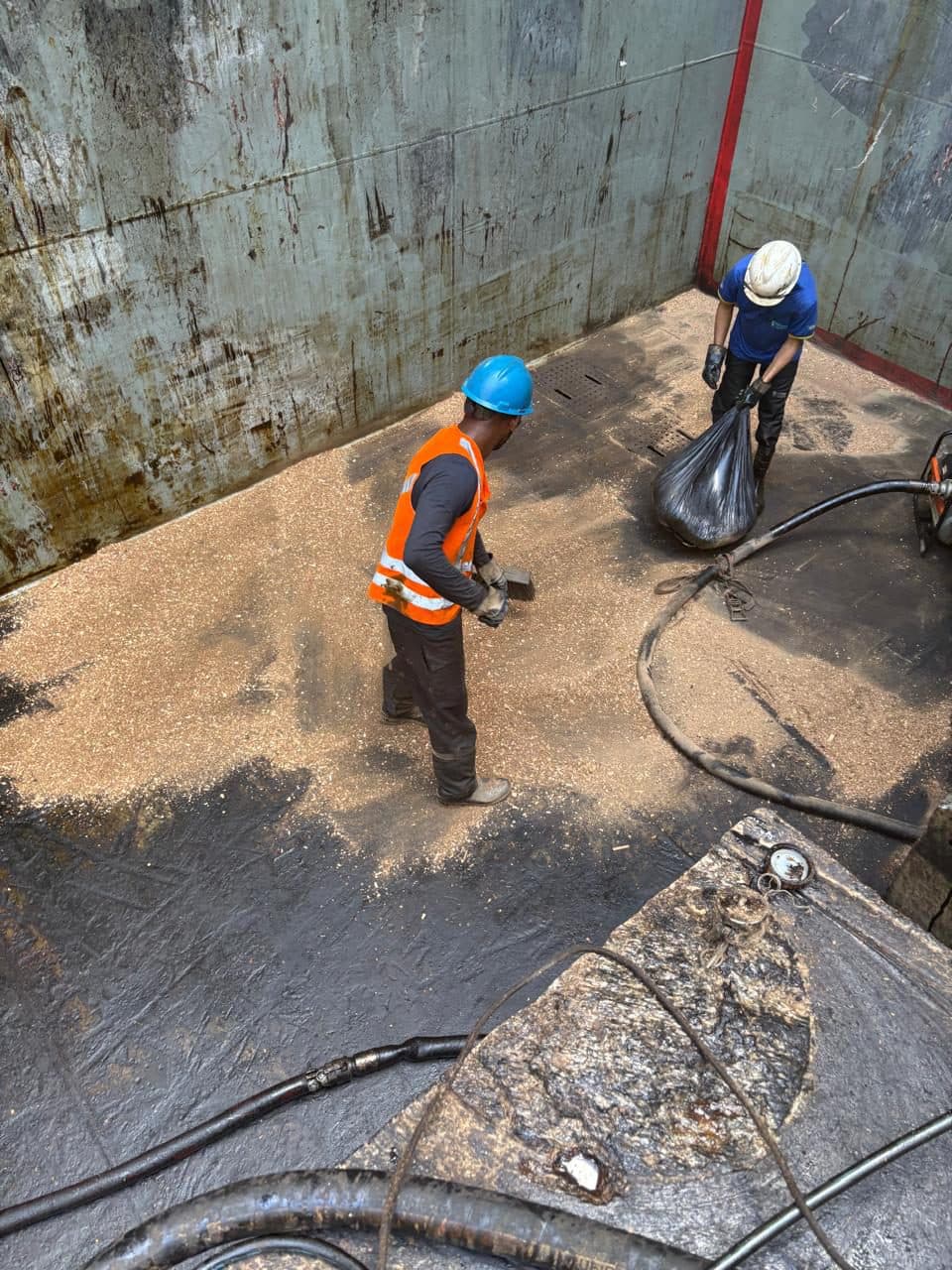
Managing the waste generated on board vessels is no longer just a matter of internal housekeeping: it has become a pillar of environmental compliance and reputation in the maritime sector. Every ship, platform or support vessel produces solid waste, effluents and contaminated materials daily, all of which require proper disposal under the risk of fines, embargoes and environmental damage.
What the regulations require
In Brazil, the matter is governed by the MARPOL Convention (particularly Annex V, on garbage from ships) and by complementary rules from IBAMA, the Navy and ANTAQ. The legislation is built on a simple principle: waste generated on board may not be discharged at sea or left in the port. It must be segregated, packaged and delivered to licensed reception facilities.
This requires every operation to have a management plan that classifies waste by type (organic, recyclable, hazardous, oily, medical) and defines the flow of each one, from generation on board to final disposal ashore.
Segregation starts at the source
Correct separation inside the vessel is the step that determines the success of the entire process. Mixing ordinary waste with oil-contaminated material, for example, turns the whole batch into hazardous waste, raising treatment costs and increasing the company's environmental liability.
Best practices include clearly identified collection points, containers suited to each class, regular crew training and records of the volumes generated. Those records are also the basis of the traceability required by the authorities.
Reception and disposal ashore
On mooring, the vessel transfers its waste to a licensed operator responsible for transporting it and routing it to treatment, recycling or environmentally sound final disposal. Each stage is documented in Brazil through the Waste Transport Manifest (MTR), ensuring the generator can prove correct disposal end to end.
Environmental compliance and operational efficiency go hand in hand: segregating well at the source cuts treatment costs and removes regulatory risk.
Why work with a specialized partner
Managing onboard waste involves licenses, port logistics, transport of hazardous goods and technical documentation. A specialized partner takes on this entire chain, from collection on the vessel to issuing the disposal certificates, letting the shipowner focus on operations with legal and environmental security.
Clean Ship operates precisely in this link, providing collection, transport and disposal of maritime waste with traceability and compliance at every stage.
Get in Touch
Need an environmental solution?
Request a quote or reach our 24/7 environmental emergency team.